FDW 4-Panel Fabric & Metal Folding Room Divider (6 ft) Review (2026)
Updated September 21, 2026 · Research-based review
Our verdict
This 6 foot, 4 panel divider suits renters or dorm dwellers who want a cheap, easy to carry screen that folds flat for storage and bends into a straight, L, or Z layout. The metal frame and breathable fabric keep it light, but that same light build tips more easily if bumped or caught in a draft.
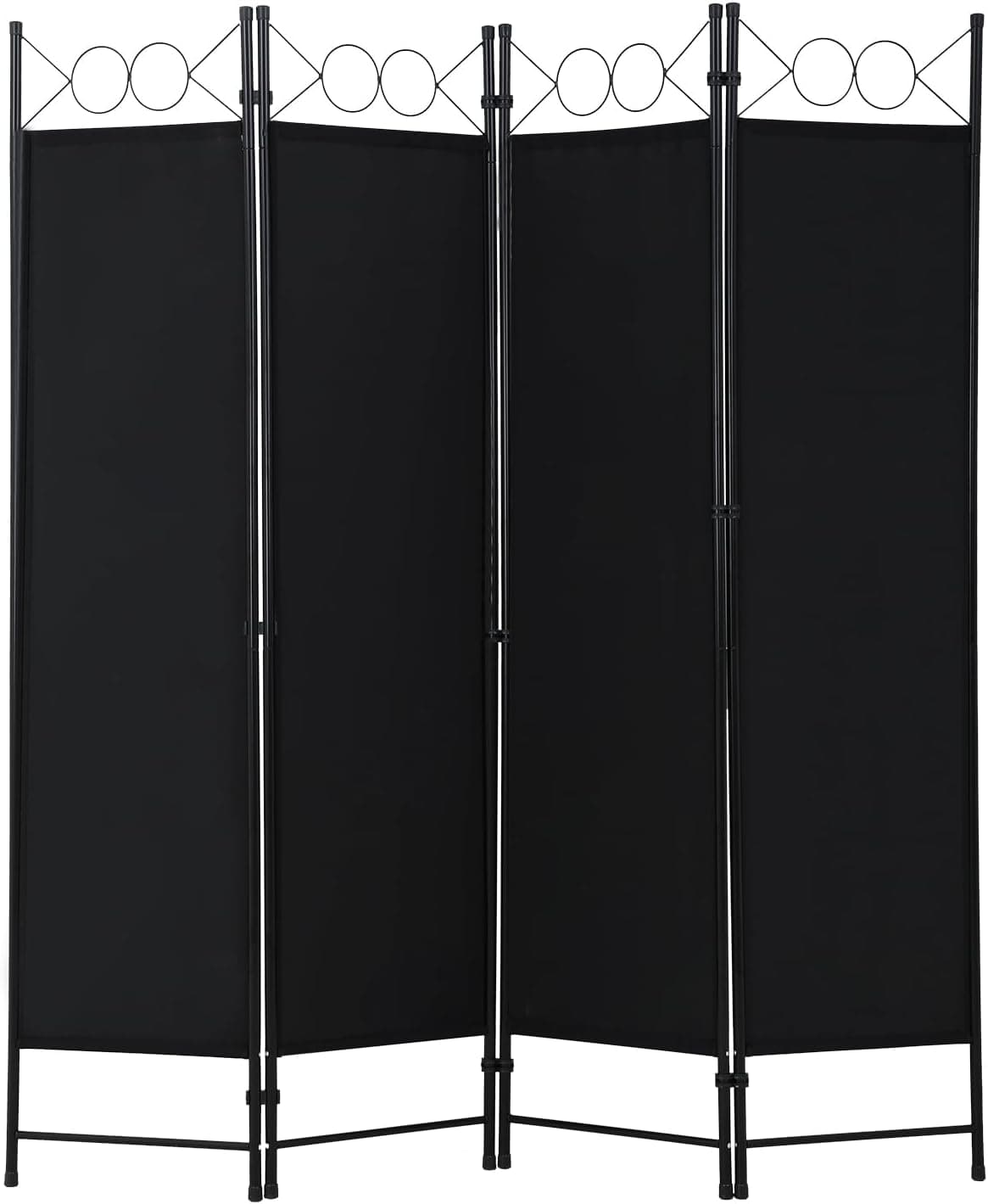
The lightest, cheapest screen, easy to carry and reshape.
Price range: $$ (Mid-range)
What we liked
- + Metal frame with breathable fabric is one of the lightest options, very easy to carry and reposition
- + Four hinged panels adjust freely to straight, L-shaped, or Z-shaped layouts
- + Budget-friendly price makes it accessible for dorms and rentals
Trade-offs
- - Fabric panels provide only modest privacy and can look plain
- - Lightweight frame is more prone to tipping in drafts or if bumped
Build and materials
The frame is metal finished to resist rust, paired with panels of high density fabric described as breathable, so it blocks a direct line of sight without trapping heat the way a solid vinyl screen can. Manufacturer listings put the height at 6 feet, tall enough to cover a standing adult in most rooms. The fabric surface wipes clean, which matters for a piece that will pick up dust sitting in a corner of a bedroom or office. Compared with solid wood or heavier steel dividers, this build trades weight for portability, which is the entire point of a folding screen meant to move between rooms or get tucked away when guests leave. It is not trying to be furniture you leave bolted in place, and the materials reflect that lighter-duty goal.
Setup and flexible layouts
Four panels connect with hinges that let the screen fold flat for storage in a closet, under a bed, or behind a door, then pop back open in seconds with no tools or hardware. Because each hinge point pivots, you can leave the panels in one straight line for a simple wall effect, angle them into an L to close off a corner, or zigzag them into a Z shape to wrap around furniture. That flexibility is the main reason to pick a hinged fabric divider over a fixed bookshelf or curtain track. Setup is simply unfolding it and standing it up freestanding, with no wall mounting or assembly step, which suits renters who cannot drill into walls or do not want a permanent fixture.
Privacy and stability
Because the fabric is intentionally breathable rather than opaque and heavy, it blocks the direct sightline into a space more than it blocks all light or silhouette, so treat it as a visual buffer rather than a soundproof or fully opaque wall. The tradeoff for the light metal frame is stability: a divider this light can tip if it takes a direct bump, gets caught by a draft from an open window or fan, or sits on an uneven floor. Placing it away from high traffic paths and away from strong airflow reduces that risk. Anyone needing a divider that stands firm against pets, kids, or a busy hallway should expect to weigh it down or choose a heavier freestanding model instead.
Where it fits best
This divider fits dorm rooms, studio apartments, and home offices where the goal is a quick visual break rather than a permanent wall, and where the person setting it up needs something light enough to reposition solo. It works well splitting a sleeping area from a living area, screening a desk corner, or hiding storage bins from view. Because it folds flat, it also suits anyone who only needs a divider occasionally, such as hosting guests or working from home part time, since it can be stored away the rest of the time. It is less suited to households that need a fixed, heavy-duty partition that stays in one spot indefinitely without any risk of tipping.
Value for the price
At a budget price point, this divider delivers the core promise of a folding screen: it is light, it folds away, and it reshapes to fit a corner or a straight run of wall. Buyers should go in expecting a plain fabric look rather than a decorative or textured finish, and a frame that favors portability over heft. For dorms, rentals, and anyone testing out whether a room divider actually solves their layout problem before investing more, the low cost and easy setup make it a reasonable low-risk pick. Anyone wanting a sturdier, more decorative, or heavier screen for a permanent living room layout will likely outgrow it and should budget for a step up.
Frequently asked questions
Does this room divider need to be mounted to a wall?
No, it is freestanding. The four panels unfold and the divider stands on its own without drilling or hardware.
Can the panels be arranged in different shapes?
Yes, the hinges let the four panels sit in a straight line, an L shape, or a zigzag Z shape depending on the corner or space.
Will it block sound or light completely?
No, the fabric is breathable rather than fully opaque, so it blocks a direct sightline more than it blocks all light or sound.
Is it stable enough for a home with pets or kids?
It is light by design, so it can tip if bumped hard or caught in a draft. Keep it out of high traffic paths or weigh down the base.
Prices change often, so check the current price and availability on Amazon.
Check price on AmazonSmall Space Picks may earn a commission from the link above.