Tic Tac Tiles 3D Peel-and-Stick Backsplash (10 sheets) Review (2026)
Updated September 20, 2026 · Research-based review
Our verdict
A ten-sheet pack of peel-and-stick 3D vinyl tiles in a Polito subway pattern, built for renters who want a textured backsplash wall without tile or grout. It goes up fast on smooth walls and pulls off without major damage, but a chemical smell on unboxing and mixed long-term adhesion on textured walls are worth planning around.
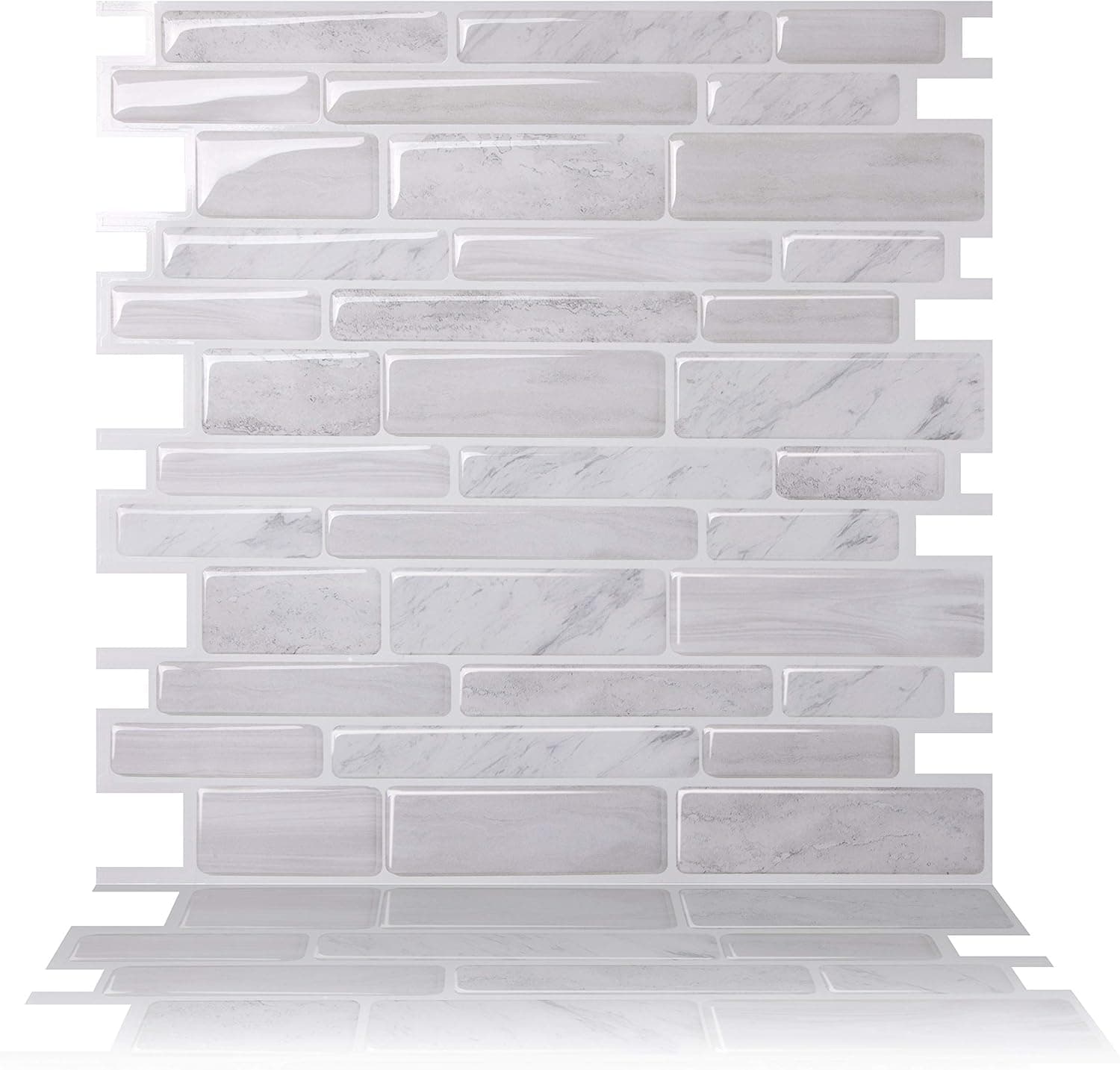
Realistic 3D texture with a forgiving, repositionable adhesive.
Price range: $$ (Mid-range)
What we liked
- + Realistic 3D tile texture with an interlocking design that simplifies installation
- + Forgiving adhesive stays tacky so you can reposition while lining up sheets
- + Flexible yet durable, great for bathrooms and compact spaces
Trade-offs
- - Noticeable chemical odor when first opened that takes time to fade
- - Mixed reports on adhesion; some users find edges lift on textured walls over time
Who this peel-and-stick backsplash is for
This is a ten-sheet pack of Tic Tac Tiles peel-and-stick vinyl wall tiles in the Polito design, sold in a white finish and built to mimic a raised 3D subway-tile texture without the cost, mess, or permanence of real tile and grout. It targets renters and DIY homeowners who want to visually upgrade a kitchen backsplash or bathroom accent wall but cannot or do not want to commit to a permanent tiling job, since the tiles are designed to be removed later with heat from a hairdryer rather than demolished. Because each sheet is a self-contained interlocking piece, it suits smaller accent areas like a stove backsplash or a bathroom vanity wall more than a full wall-to-wall renovation, where the seams between sheets would need more careful planning. Anyone wanting a permanently bonded, fully water-immersion-rated surface, such as inside a shower, should look at real tile instead, since this product is designed for splash zones and light moisture exposure rather than constant submersion.
Installation and the interlocking design
The tiles are designed to interlock at the edges, which is meant to simplify lining up multiple sheets into a continuous pattern compared with plain peel-and-stick tiles that have no alignment guide. The adhesive backing is described as forgiving, meaning it stays tacky rather than grabbing instantly, so a sheet can be lifted and repositioned while getting it straight before pressing it down for good, which matters for anyone without tiling experience trying to keep rows level. Manufacturer guidance for this product line calls for a smooth, untextured, indoor surface for best results, since the adhesive is built to bond with a flat wall rather than popcorn texture, brick, or heavily textured drywall. Skipping that step, or applying it over a bumpy or unprimed wall, is the most common reason peel-and-stick tile of any brand loosens at the edges over time, so wall prep matters more to the long-term result than the tile itself.
Material, texture, and odor on arrival
The tiles are made of a vinyl material that is resistant to heat, water, and humidity and is treated to resist mold and bacteria, which is the standard construction across this style of product and suits kitchen and bathroom splash zones specifically. The 3D raised texture is what gives it a more realistic look than a flat printed vinyl sheet, since the surface has real dimension rather than a photo-printed grout line. A common first impression reported by buyers is a noticeable chemical odor when the sheets are first unwrapped, which is typical of vinyl products packaged tightly for shipping and generally fades within a few days of airing out the space, but it is worth expecting rather than being surprised by on delivery. The flexible vinyl backing also makes the sheets forgiving around minor wall imperfections and easier to trim around outlets or edges than a rigid tile product would be.
Long-term adhesion and what to expect
Reports on how well the tiles hold up over months of use are mixed, with some buyers reporting strong, lasting adhesion and others noting that edges begin to lift, particularly on walls with any texture or on surfaces exposed to regular heat near a stove. This lines up with how peel-and-stick vinyl tile generally performs across brands: adhesion quality depends heavily on wall prep, cleanliness, and surface texture, so results vary from one installation to the next even with the same product. Buyers installing directly onto a freshly cleaned, smooth, painted wall are more likely to see the tiles hold for the long term, while anyone applying over an older, textured, or grease-affected kitchen wall near a stove should expect a higher chance of edge lifting sooner. Reapplying a lifted edge with a small amount of extra adhesive or double-sided tape is a common workaround owners use rather than a defect specific to this listing.
Where it fits versus real tile or other peel-and-stick brands
Against real ceramic or porcelain tile, this product wins on cost, install time, and reversibility, going up in an afternoon without cutting tile, mixing grout, or committing to a permanent wall change, which is exactly why it appeals to renters. Against other peel-and-stick tile brands in the same category, its 3D interlocking texture is a step up from flat printed vinyl sheets in how realistic it looks from a normal viewing distance, though buyers researching this category note that some competing thicker peel-and-stick tile lines report fewer complaints about edge lifting over time. For a small, low-traffic accent area like a kitchen backsplash behind a stove or a bathroom vanity wall, on a smooth prepped surface, this is a reasonable way to add texture and pattern without a renovation. For a shower surround or a heavily textured wall, it is a weaker fit than either real tile or a thicker adhesive alternative built specifically for high-moisture or rough-surface installs.
Frequently asked questions
Does the peel-and-stick backsplash smell bad when first opened?
Buyers commonly report a noticeable chemical odor on unboxing, which is typical of vinyl tile shipped tightly packaged and generally fades within a few days of airing the room out.
Will it work on a textured wall?
It is designed for smooth, untextured indoor surfaces; installing over textured or bumpy walls increases the chance of edges lifting over time based on user reports.
Can it be removed without damaging the wall?
The tiles are designed to be removed by heating them with a hairdryer and peeling them off, which is the standard removal method for this style of peel-and-stick vinyl tile.
Is it safe to use behind a stove?
The vinyl material is heat and water resistant and suited to typical kitchen splash zones, though adhesion near constant heat exposure has been reported as weaker by some buyers, so periodic edge checks are worth doing.
Prices change often, so check the current price and availability on Amazon.
Check price on AmazonSmall Space Picks may earn a commission from the link above.